
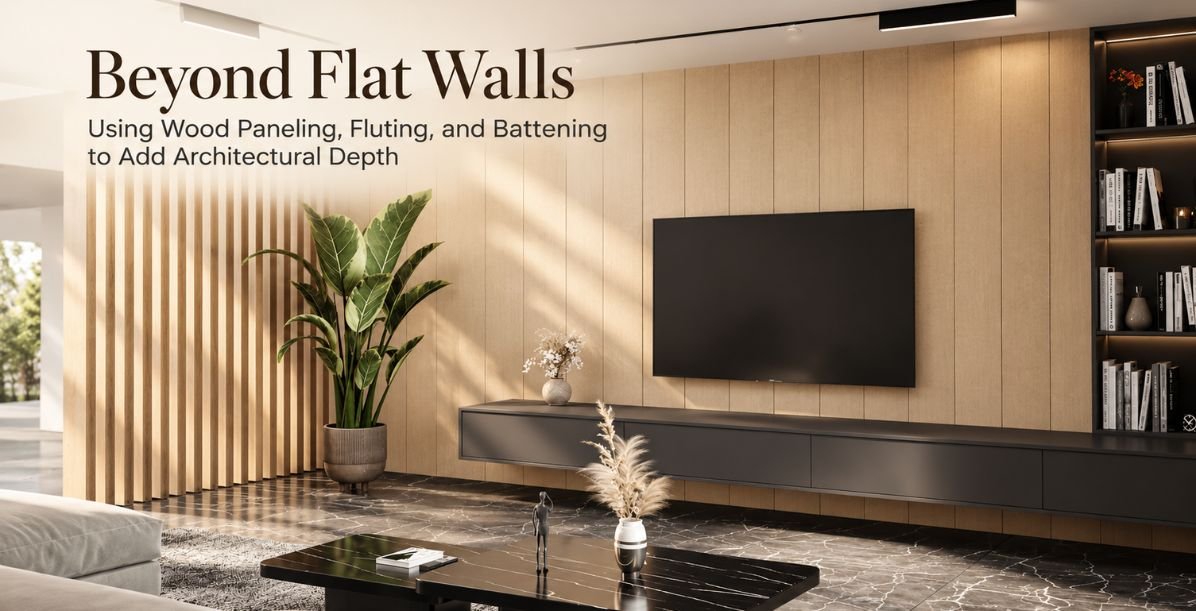
Wood Paneling, Fluting & Battening: How to Add Architectural Depth to Walls
Walls are one of the biggest surfaces in any interior; however, they tend to serve as a backdrop for furniture, artwork and lighting. Wood panelling, framing, and battening are other ways of doing this by making a plain wall an architectural feature. It is through these techniques that texture, rhythm, shadows, and visual depth will be introduced, without relying entirely on color or decorative accessories.
It can add character to an interior through its grain, texture, proportion and its natural variation. Selecting the appropriate wall treatment, however, involves an understanding of the characteristics of each technique in specific wall spaces.
What Is Wood Wall Paneling and Where Does It Work Best?
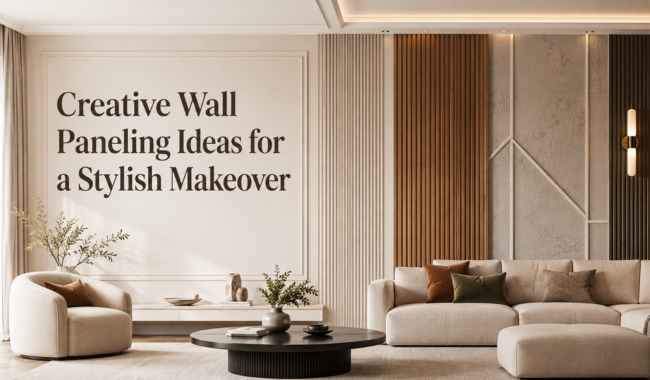
Wood wall panels are boards, veneers, plywood, MDF or other types of wood panels applied to a wall surface. With the right configuration, panning can produce a simple modern look or an architectural detail. The large panels can create a sense of weight to a wall, and smaller panels create visual divisions.
Paneling is an excellent choice to use as a backdrop for the wall when a specific background is desired. May be placed behind a bed, behind a TV stand, behind a dining table, behind a study table or behind an entry console. The kind of wood used, along with the finish also impact on ambience. Lighter shades of oak will help give the room an open feel while a neutral tone of walnut will add depth.
Fluted Wall Panels: Adding Texture Through Light and Shadow
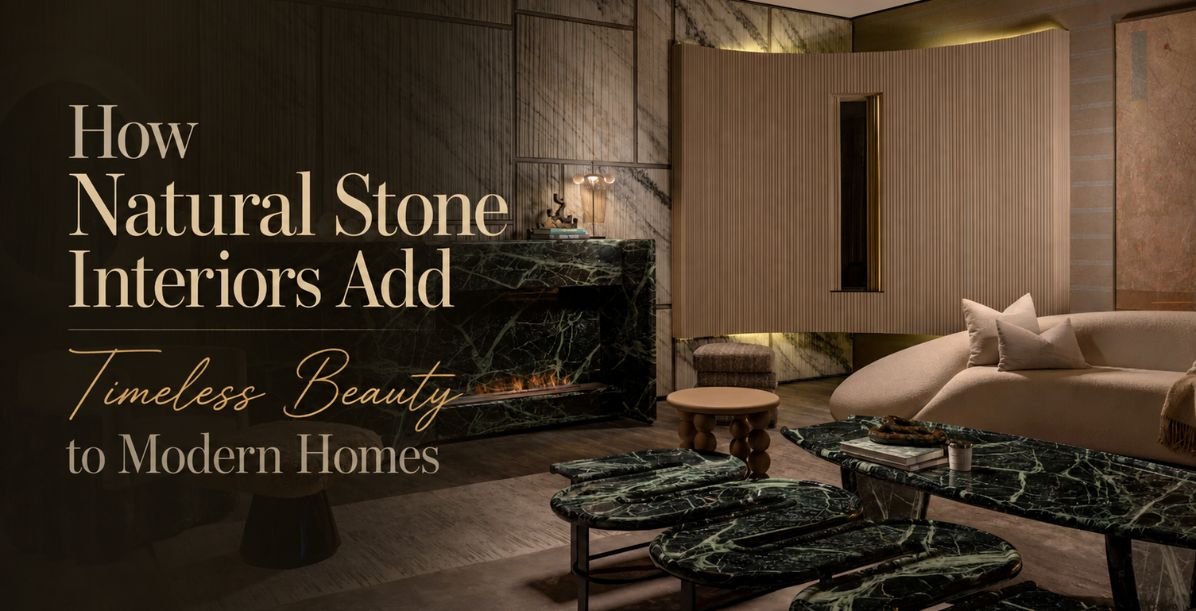
Fluted wall panels are defined by repeated vertical cuts that form a pattern on the panel's surface. The appeal of their grooves is due to the interaction with light. During the day, the different spaces that are meant to be hidden are lit up in a way that creates light and dark spaces, adding some dimension to the wall.
The depth and distance of the grooves affect the final look. Narrow spaces between the flutes give a finer quality and wider grooves form a stronger pattern. This is why it is important to choose fluting based on the size of the wall. The more detailed the pattern, the smaller the surface that it will fit onto, and the more bold the pattern, the larger the wall that it can be used on.
Wood Battening for Linear and Architectural Detail
Wood battening is designed in the form of separate sections secured to a wall with space between the pieces. Unlike a continuous panel, the background remains an active part of the design.This forms a pattern of raised timbers and indents.
Vertical battening can enhance the height of a wall and provide a sense of structure. Flowing horizontally, surfaces offer the illusion of extending, and grid patterns give the impression of a more formal architecture. Battening can also be used as a semi-pervious partition between rooms, providing some privacy while still allowing one to see into the other room.
Here the concept of wood detailing can be especially applicable to the appearance of the surface as the spacing, grain direction and proportion will affect this.
Paneling vs Fluting vs Battening: Which One Should You Choose?
Although these three treatments are often discussed together, they create different visual results. Depending on the desired goal, you can either build a plain surface, add texture, or make a linear framework.
Wood paneling can generate wider and more seamless surfaces that can be used for feature walls or big architectural backdrops.
Fluting is the process of creating texture by repeating the grooves and is beneficial for use when light and shadows are a significant feature of the design.
Battening leaves a more open linear pattern, as the wall behind the wooden strips is still visible.
The general effect of panelling is less visual rhythm and fluting and battening and more repetition.
Battening can also be used to provide a spatial function as an element which separates spaces in a semi-closed manner.
How to Use Wood Wall Paneling in Different Rooms
The results of the same wood treatment will vary depending on the location. Vertical panels or fluted surfaces behind the bed in the bedroom can provide a sense of a focal point. Living rooms can be paneled to enclose a television unit or as a background for chairs.
A feature wall that's just the right size can enhance dining areas, and a wood wall behind a desk can structure a home office without over-decorating. A smaller panelled or battened area can be used in entrance areas to distinguish the entryway from the interior of the home.
The natural look of wood can be incorporated into an interior space while still being a key part of the interior.
Factors to Consider Before Installing Wood Wall Treatments
The wall treatment should be designed to complement the entire design of the room, not stand alone. The final look will depend on the size of the wall, lighting available, and layout of furniture and existing materials.
Size of the wall: The larger the wall, the bolder the pattern, and the smaller the wall, the more intricate the details.
Ceiling height: If the design wants to draw attention upwards, vertical lines can be used for this purpose.
Lighting: Groves and battans can be lit by directional lighting, but too strong light may create too much of a shadow.
Existing materials: flooring, furniture, stone, metal and fabrics should complement, not compete with the wood treatment.
Cleaning: Grooves and narrow gaps that may hold dust should be considered when installing.
Common Mistakes to Avoid With Wood Wall Designs
Often the same error is made when applying too many details to the wall decoration with wood. The treatment of an element typically creates a more significant effect when the rest of the surface allows sufficient visual space for the treatment to stand out. The strong pattern can also help eliminate the hierarchy of a room throughout.
Another problem is size vision. The width of the battens, the depth of the flutes and the size of the panels should match the size of the wall and any surrounding furniture. Installation accuracy is also crucial as the spaces between panels or misaligned panels stand out in repeated panels.
Don't forget to look at wood as a part of a whole. A walnut-colored wall can appear or look completely different when displayed next to white flooring versus dark furniture. Inconsistencies can be avoided by taking the entire material palette into account before installation.
Combining Wood With Stone, Metal, Glass, and Fabric
Using materials that offer contrast helps to balance wood wall treatments. Stone can bring a solid feel and texture to the room, while metal can provide a sense of sharp lines in a space filled with softer wood grain. Fabric can help open up fluted or battened geometry and glass can help provide a sense of openness.
For instance, fluted wood walls behind a stone console can add texture for contrast, while upholstered furniture can help to avoid a rigid space. The concept of using wood in combination with other materials instead of it being the only defining feature of an interior.
Conclusion: Creating Architectural Depth With Wood
The use of wood paneling, fluting and battening can create changes in surface, pattern and shadow and transform a flat wall. Their effectiveness, however, depends on proportion and restraint rather than the amount of wood used.
A successful design takes into account the wall as a whole element of the room's architecture. A smooth, panelled wall, fluted wall, or battened wall all create a different effect; the treatment should suit the scale, lighting, furniture and existing materials of the room.
This interaction of material and space is the most important aspect to explore the continued function of wood as an architectural element. It can add depth and definition to a plain wall and maintain the natural quality that makes wood unique if used properly.
.jpg)

.png)
 Chat With Diva