
.jpeg)
AI-Powered Interior Design in 2026: Smart Home Planning and Future-Ready Indian Homes
The interior design in India is currently experiencing a significant change in 2026. Homeowners are no longer relying solely on conventional illustrations and hand-to-hand planning. Due to the emergence of AI interior design and progress in digital technologies, citizens are now able to see their homes, compare layouts, and make decisions before beginning construction or renovation.
Designing compact city apartments to large villas, artificial intelligence is rendering it more precise, customized, and effective. AI, together with smart home planning, is assisting Indian families to design homes that suit their lifestyle, budget, and needs in the future.
Understanding AI in Interior Design
In interior design, Artificial Intelligence is a type of software that processes space, user preferences, and design trends in order to provide layout and decor ideas. These systems are based on machine learning, image recognition, and data analysis to assist designers and homeowners.
Users are not required to create floor plans, room photos, or simple measurements, and they can upload them instead. This information is then run through the AI and a design suggestion is provided that fits the available area. This saves time and minimizes expensive errors.
AI does not supersede creativity. It assists it in technical calculation and repetitive activities, which enable designers to work on innovativeness and customization.
Key Benefits of AI Interior Design for Indian Homes
AI design is gaining popularity in India due to the fact that it addresses numerous realistic issues like space constraints, escalating costs, and time limits.
Some major benefits include:
Quickened planning and design approval.
Improved room use in small residential homes.
Low renovation and redesigning costs.
Better consistency of measurements and layouts.
Tailor-made designs according to the preferences of the user.
AI interior design presents a good opportunity relative to conventional approaches to those homeowners who desire speedy and dependable solutions.
How AI Supports Smart Home Planning
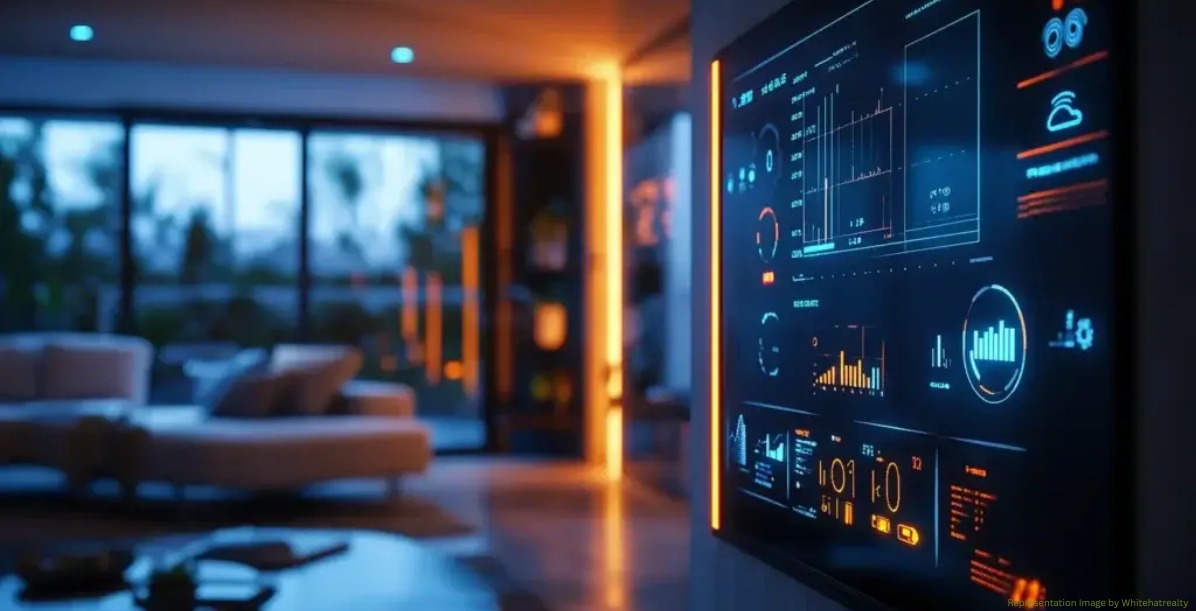
Contemporary houses are not only about furnishing and color. They are regarding automation, energy saving, and comfort. AI is significant to ensure that smart home planning becomes effective.
It assists designers to combine technology and beauty.
The main domains of AI use in smart planning are:
Positioning of intelligent lighting and sensors.
Automatization of temperature and ventilation.
Space and window planning that is energy efficient.
Connections with smart appliances.
Layout of security and surveillance system.
Homes, being easier to manage, become affordable in the long term with these features.
Personalization Through AI-Based Design
The personalization of spaces is considered one of the greatest strengths of the AI interior design. Rather than going by the generic patterns, AI learning is based on user behavior and preferences.
It considers factors such as:
Family size and day to day lives.
Work-from-home requirements
Storage and organization requirements.
The way of leisure and entertainment.
Wellness and health imperatives.
According to this fact, AI provides layouts that are suitable for real-life use. As an illustration, a working individual can receive a productivity-oriented layout, whereas a family with children can be provided with a safety-oriented design.
This degree of personalization makes people who live in houses feel closer to their homes.
Challenges and the Role of Human Designers
Although AI has its benefits, there are some limitations to its use in interior design. Technology is simply not in a position to get into the thoughts of the emotions, cultural value, and personal recollections that one has towards a home.
These are some of the general difficulties, such as a lack of emotional sensitivity, reliance on precise data, and the inability to adjust to the local design customs.
Here the human designers are still needed. They are emphatic, creative, and culturally sensitive to projects. Designers in 2026 are not replacing AI since this is a support tool.
They pay more attention to the development of concepts, the choice of materials, crafting, and relationships with clients, and AI is engaged in technical planning.
The cooperation will result in superior outcomes.
Future of AI Interior Design in India
It is likely that AI-powered interior design will be even more developed and affordable in the next years. As the digital infrastructure and smart city are developed further, the number of homeowners moving to such technologies will increase.
There are voice-controlled design systems, real-time renovation monitoring, automated sustainability planning, and AI-generated maintenance notifications, which may become the trends of the future.
With a decrease in expenses and awareness, AI interior design will be implemented as a standard of residential projects in India.
Conclusion: Building Smarter Homes with AI Technology
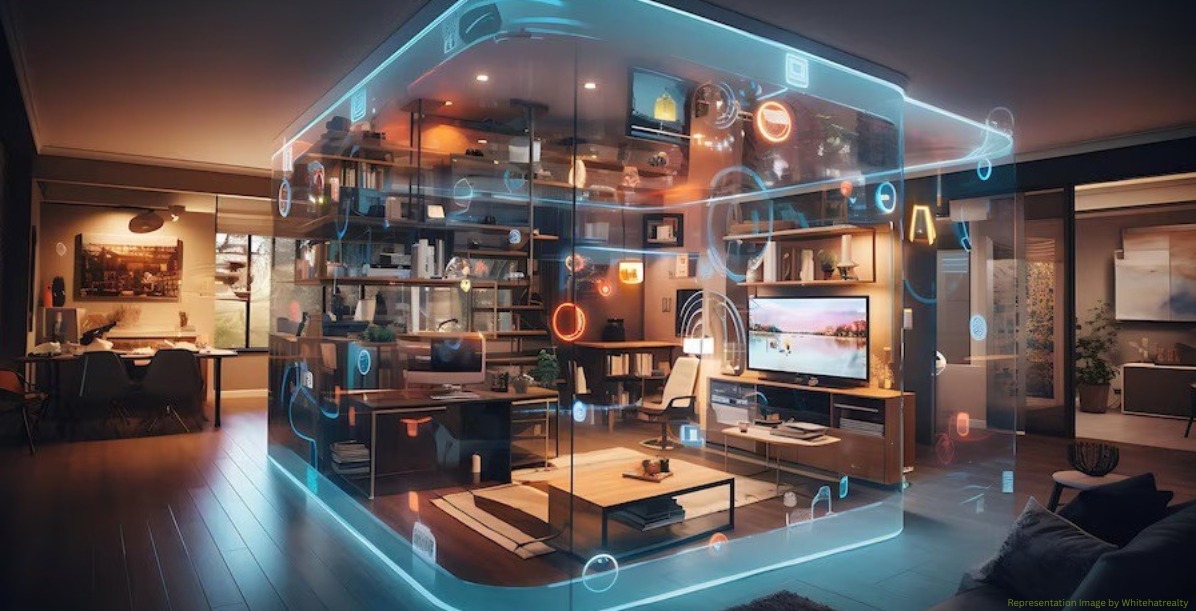
Artificial intelligence in interior design in 2026 is transforming the manner in which the planning and design of Indian homes is done. The homeowner can become a more personalized solution to design solutions because of the combination of data, automation, and creativity that have allowed them to experience a faster, more accurate, and highly personalized approach to designing their homes.
As AI interior design and smart home planning evolve, they make houses more efficient, comfortable, and prepared to the future. Whereas technology is in charge of calculations and simulations, humanity designers still input emotional nuance and cultural context.
This is the future of Indian interiors, a harmonious cooperation between artificial intelligence and human knowledge, which will allow building not only smart but also meaningful homes.




.png)

 Chat With Diva