

How to Design a Digital Detox Home for Better Living
Technology has changed the way people live, work and communicate. But, being constantly exposed to screens can make us feel mentally exhausted and disconnected from our surroundings. With the home being more and more the place of work and entertainment, developing areas that are conducive to an offline way of life is now more important than ever.
Enjoying a good digital detox at home can help break the habit of being so dependent on your screen, while creating better relaxation, sleep, and family bonding. With careful design decisions, property owners can develop spaces that foster a healthier lifestyle and conscious living.
Why Homes Need Screen-Free Spaces Today
Households are packed with televisions, smartphones, tablets and laptops. These tools enhance convenience, but too much screen time has an impact on mental health and productivity. Screen free areas provide opportunities for people to reduce workload, refresh and experience periods away from screens.
Interior design can have a far greater impact upon behavior than we realize. If people are made to relax in their home and to enjoy themselves, they are more likely to spend less time on their devices and more time together or with themselves.
Transforming the Bedroom into a Restful Retreat
One of the simplest ways to incorporate digital wellness into your day to day is with a tech free bedroom. Bedrooms should be for sleep and not activity or work.
The device free sleeping area can help to improve sleep quality, relieve stress and promote healthier habits. Soft materials, comforting hues and simple furnishings contribute to the ambiance of relaxation that tells the mind that it is time to rest at the end of the day.
Design Elements That Support a Digital Detox Home
Some interior design elements can naturally promote the unplugging and relaxation of people.
Avoid bright white lights.
Use natural fibers, such as wood and linen.
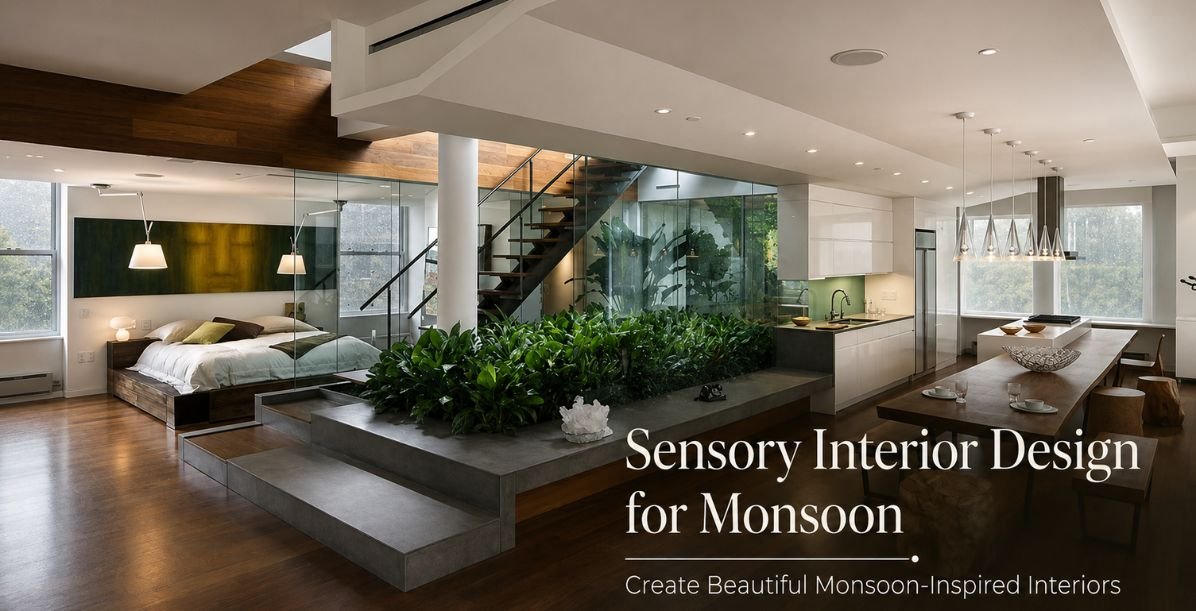
Use indoor plants for a relaxing ambiance.
Minimize wires and electronic distractions.
Incorporate comfortable seating for relaxation.
These basic components can help create a more serene and welcoming environment for a digital detox retreat.
Rethinking the Purpose of Living Areas
TV sets don't have to be the center of living room furniture. Rather, they can be places to engage in discussions, interests, and shared experiences. Open floor plans, which promote interaction, are known to foster family bonding and enhance social relationships.
Changing the focus from screens to activities helps to make homes more interesting and meaningful.
Creating Daily Rituals Away from Screens
Interior design can help to create healthier routines by providing them with spaces for offline activities.
Establish a reading nook with cozy seating.
Create a board game/puzzles station.
Create a mini meditation or yoga space.
Use the dining space for meals without electronic devices.
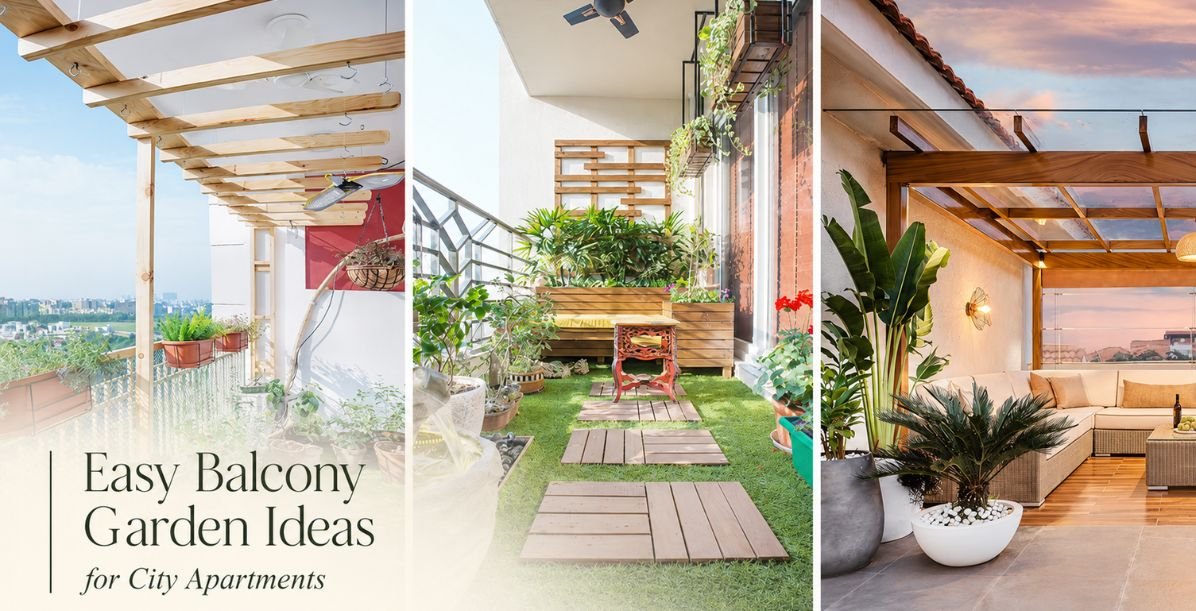
Install an outdoor seating area for lounging.
They remind you to be conscious and ease your digital overload.
The Role of Lighting in Digital Wellness
Mood and energy levels can be directly affected by natural light. Well-designed homes can provide the most illumination, which means they will look, feel and smell healthier and more inviting. Large windows, sheer drapes and reflective surfaces can help to bring the sun indoors.
Layered lighting using lamps and warm bulbs adds a calming ambiance in the evenings, promoting a relaxed atmosphere prior to sleep.
Smart Storage for Hidden Technology
Technology is key but it doesn't always have to be obvious! Smart storage solutions keep devices neat, and minimize clutter.
Use cabinets to conceal televisions when not in use.
Provide special charging stations outside bedrooms.
Use baskets or drawers to store gadgets.
Use cable management systems in clean rooms.
Opt for furniture with multiple purposes that can be stored within.
A streamlined interior makes for a more organized space.
Conclusion
A digital detox home doesn't suggest that you are to completely eliminate technology. Rather, it is about creating balance, and planning spaces that promote healthier behaviors. The idea of a tech free bedroom or a nature-inspired interior is another way of seeing the world of design differently, as is the notion of device free family zones.
In an increasingly digital world, screen-free areas will play an increasingly vital role in helping to shape healthier and more mindful living environments.
.png)
.png)

.jpg)




 Chat With Diva