
.jpg)
The Ultimate Guide to Sensory Home Design for Modern Homes
Modern homes are no longer designed only for visual appeal. However, the use of sensory home design is becoming more popular today so homeowners can make their homes supportive of comfort, relaxation, productivity and overall well-being. Leveraging multiple senses through strategically placed light, texture, fragrance and materials can create more immersive, emotionally enriching spaces.
Multi sensory interior design is about the feel, smell, sound and action of the interior, not its appearance. From a cosy bedroom to a welcoming living room, to a home office for a peaceful mind, sensory design can help make space for everyday living.
Understanding the Concept of Sensory Home Design
Sensory home design is a design method that takes into account the interactions between various elements of a space with human senses. It doesn't just focus on the look of something, but instead on how it will impact people's mood, mental health and wellbeing and comfort.
A well planned sensory space can:
Keep things from becoming stressful and anxious.
Enhance focus and efficiency.
Improve relaxation and sleep.
Build better relationships with home.
Promote general health and well-being
Lighting, textures, fragrances, acoustics and the presence of nature all play a part in sensory design with a balance of all these elements to create a balanced environment.
Using Light to Shape Mood and Atmosphere
A strong feature of interior design is lighting as it makes a difference in how people experience the interior. Various lighting styles may evoke various emotions.
Layered Lighting for Better Functionality
A room that's well designed should have several layers of lighting:
Ambient lighting for general illumination
Task lighting for specific tasks to be performed.
Use accent lighting to draw attention to areas such as accessories and architectural details.
When these are layered together, they offer flexibility in making changes to the atmosphere throughout the day.
Maximizing Natural Light
Sunlight is beneficial to mood, energy levels and well-being. Maximise the penetration of daylight through and around large windows, glass partitions and reflective surfaces.
Simple strategies include:
The sheer curtains as an alternative to heavy drapes.
It is more reflective and reflective installations of sunlight.
Light colors for walls to increase lightness
Natural light can make a home look comfortable and more wonderful for people to feel.
Warm vs. Cool Lighting
The light colour temperature influences emotions.
Warm lighting makes for a welcoming and soothing ambiance.
Cool lighting promotes alertness and focus.
Warm hues are suitable for bedrooms and living rooms, while home offices and study areas might prefer cooler lighting to enhance focus.
Enhancing Multisensory Interiors Through Texture
Aesthetics frequently get the spotlight, but so do haptic interactions. Texture has an effect on people and make them engage with their environment both physically and emotionally.
Layering Soft and Natural Materials
Different textures add dimension and intrigue to any room. Rich sensory quality is achieved from soft fabrics, natural wood, stone surfaces, and woven materials.
Some of the most popular texture pairings are:
Lined upholstery and wood furniture.
Smooth flooring with wool rugs.
Velvet cushions on cotton sofas
Softer materials and natural stone accents.
These variations create inviting and comfortable spaces.
Bringing Nature Indoors
Biophilic design and the elements of sensory interior design go hand-in-hand really well. Natural materials offer a sense of warmth visually, as well as tactile experience.
Elements such as:
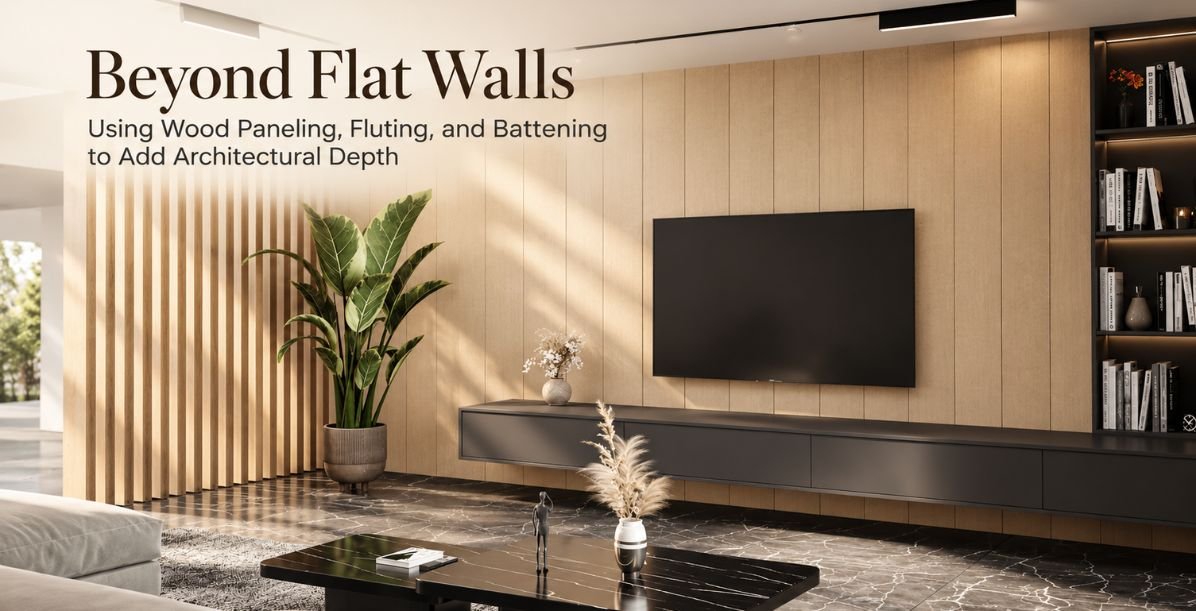
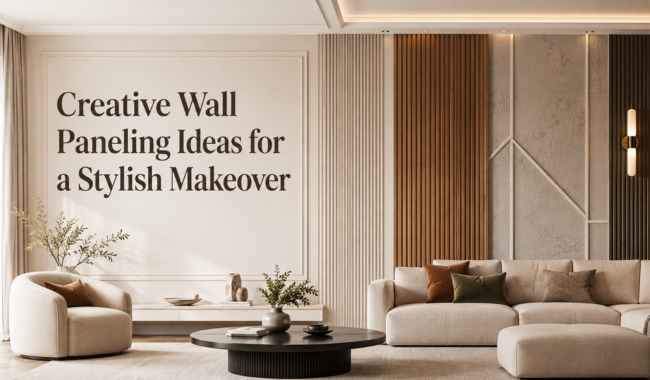
Wooden wall panels
Stone countertops
Bamboo furniture
Indoor plants
Promote greater contact with the natural world and improve indoor air quality.
Creating Comfort Through Touch
Materials that promote touch and relaxation for bedrooms, reading corners and lounges. Upholstered seating, textured throws and plush rugs turn functional spaces into comfortable oases.
Softness can have a calming effect both physically and mentally, which can help to create a sense of security and relaxation.
The interior spaces of future homes are to be filled with fragrance, and it will play a crucial role in their well-being.
The Role of Fragrance in Interior Well-Being
Among all sensory elements, scent has one of the strongest connections to memory and emotion. Fragrance can instantly influence mood and create a lasting impression of a space.
Choosing Fragrances Based on Room Function
Various fragrances can enhance various activities:
For bedrooms: lavender and chamomile.
Use citrus fragrances, specifically for kitchen and workspace.
For a warm and inviting atmosphere, use vanilla for living spaces.
For bathrooms and wellness areas: eucalyptus.
The more one can associate a smell with a room use, the more effective sensory design will be.
Natural Ways to Introduce Fragrance
Homeowners can include natural air freshener options in addition to artificial air fresheners.
Options include:
Essential oil diffusers
Scented candles
Fresh flowers
Indoor herb gardens
Natural potpourri arrangements
These additions provide a delicate and enticing sensory delight without dominating the space.
Establishing a Signature Home Scent
Guest signature fragrances are a popular use at many luxury hotels. Similarly, a homeowner can do this if they choose a uniform fragrance throughout the house.
A signature scent helps to build emotional ties to the residence and provides comfort and familiarity.
Combining Light, Texture, and Fragrance for a Complete Experience
Multisensory interiors are truly effective when they combine the various senses in a harmonious way.
For example:
Warm ambient lighting
Soft wool textiles
Natural wooden furniture
A light lavender scent
can turn any bedroom into a serene haven.
Likewise, an effective home office might well be made up of the following:
Bright natural light
Smooth work surfaces
Ergonomic furnishings
Refreshing citrus scents
to promote concentration and productivity.
The aim is to not over stimulate the senses but to provide balance and harmony.
Future Trends in Sensory Interior Design
Sensory design is likely to be an increasingly prominent element in the design of homes and their interiors as people become more sensitive to living well. Emerging trends include:
Automated lighting systems to aid in light control throughout the day
Advanced scent-diffusion technologies
Sustainable and natural material that is tactile.
Wellness-centered room planning
Individual sensory environments to meet individual preferences
This is setting the way for today's homeowners to enjoy sensory home design with ease and effectiveness.
Conclusion
A beautiful home should be more than just an aesthetic treat, it should be a beautiful feeling too. Smart and careful use of light, texture and scent can help to forge a home environment that promotes relaxation, comfort and emotional health. Sensory home design and multisensory interiors are becoming more popular, as people are seeking spaces that create more healthy and meaningful lives. From soft touches to thoughtful lighting to soothing fragrances, sensory design can make the ordinary extraordinary and enhance our everyday lives.
.png)
.png)
.jpg)

 Chat With Diva